
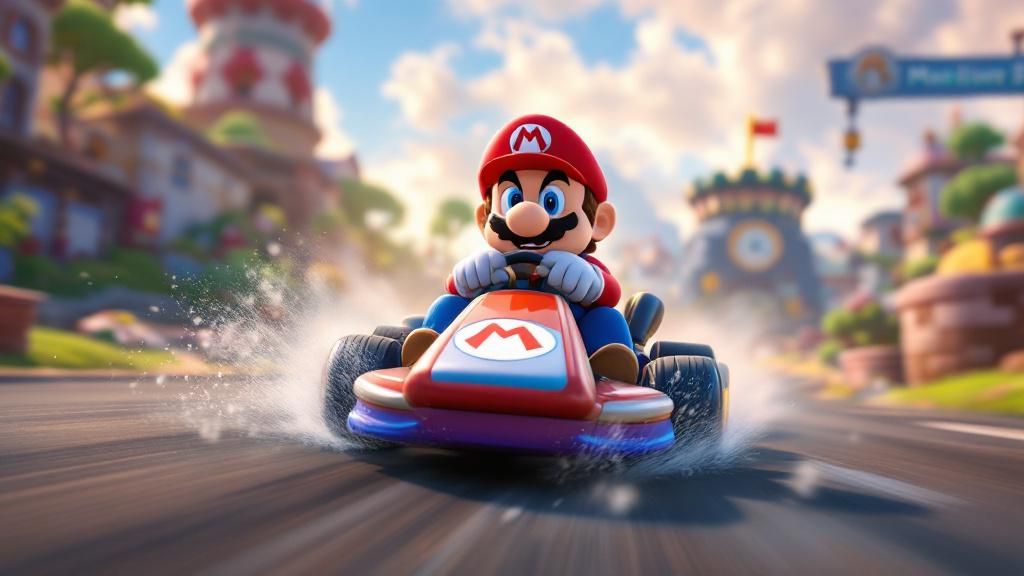
Nintendo’s iconic Mario Kart franchise has officially cemented its legacy as the best-selling racing game series in history, outpacing all competitors in both commercial performance and cultural impact. This outstanding accomplishment underscores the lasting popularity of the beloved karting series, which has engaged gamers throughout the years since its debut in 1992. From its modest origins on the Super Nintendo to its tremendous achievements on the Nintendo Switch, Mario Kart remains dominant in the racing genre. This article examines the key milestones, innovations, and elements that propelled the franchise to this remarkable peak of success.
Historic Revenue Landmark
The Mario Kart franchise has reached an exceptional market landmark, becoming the best-selling racing game line ever. This significant achievement represents prolonged periods of reliable performance and enduring player commitment across various gaming systems. The franchise has exceeded 150 million copies worldwide, a figure that illustrates its unmatched supremacy within the racing market. This success embodies not merely commercial gain, but a significant cultural impact that has gone beyond standard gaming confines and captured the affection of millions globally.
Nintendo’s strategic approach to launching Mario Kart titles throughout successive console generations has been instrumental in preserving the franchise’s traction and appeal. Each instalment has introduced fresh gameplay features, enhanced graphics, and engaging fresh material that kept audiences engaged and returning for more. The Nintendo Switch era, in particular, witnessed explosive growth, with Mario Kart 8 Deluxe rising to become one of the platform’s most successful titles. This continuous evolution has ensured that the franchise remains fresh and appealing to both veteran players and newcomers alike.
The sales landmark demonstrates far more than mere numerical success; it symbolises the franchise’s ability to overcome generational divides and appeal to diverse demographics. From recreational family players to professional gaming competitors, Mario Kart has built an inclusive community that celebrates both accessibility and competitive depth. This widespread popularity has established the franchise’s position as a foundation of Nintendo’s catalogue and a landmark franchise within video game culture itself.
Evolution of Excellence in Gaming
The Mario Kart franchise’s ascent to prominence of racing game success represents a benchmark in continuous development and player connection. From its debut on the Super Nintendo Entertainment System to its current dominance on the Nintendo Switch, the series has steadily developed whilst preserving the core elements that connect with players worldwide. This development reflects Nintendo’s commitment to excellence, responding to innovations in technology and evolving entertainment choices without compromising the franchise’s essential character and charm.
Progress Across Generations
Each instalment of Mario Kart has unveiled pioneering elements that reshaped the racing genre and established industry standards. The franchise led the way in the blend of beloved Nintendo characters into competitive racing, establishing an remarkable alignment between character design and game mechanics. This approach transformed Mario Kart from a straightforward racing experience into a cultural force, appealing to both casual and dedicated gamers. The series consistently leveraged state-of-the-art technology, from Mode 7 graphics on the SNES to the advanced physics systems found in current instalments, making certain each generation felt fresh and up-to-date.
Nintendo’s strategic approach to feature development has been instrumental in maintaining the franchise’s relevance across various gaming generations. Rather than resting on proven achievements, the developers continually introduce innovative mechanics that improve the gaming experience without alienating traditional fans. The introduction of multiplayer functionality, customisation options, and dynamic track designs showcases a keen awareness of evolving player expectations. This commitment to innovation, paired with meticulous attention to gameplay balance and inclusivity, has cemented Mario Kart’s status as the industry’s premier racing franchise.
- Power-ups significantly changed racing competition dynamics
- Character customisation expanded personalisation and player engagement
- Online multiplayer functionality revolutionised gaming competition accessibility
- Track design development produced increasingly memorable racing experiences
- Mobile incorporation extended franchise reach beyond traditional consoles
The franchise’s ability to balance accessibility with competitive depth has shown vital to its ongoing appeal. Mario Kart welcomes newcomers through straightforward mechanics and player-friendly systems, whilst simultaneously delivering advanced driving strategies for experienced players. This two-tier approach ensures broad appeal across demographic groups, from kids new to games to seasoned gamers pursuing sentimental appeal. The franchise’s inclusive approach has cultivated a authentically mixed audience, contributing substantially to its record-breaking sales achievements and cultural importance.
Cultural Significance and Global Reach
The Mario Kart franchise has transcended the realm of gaming to become a true cultural force stretching across multiple generations and regions. Its reach extends far beyond the video game audience, spreading through popular culture through branded products, TV appearances, and amusement park experiences. The series’ ease of play and user-friendly mechanics have made it a recognisable title, acknowledged by both serious enthusiasts and occasional players. This universal appeal has established Mario Kart as considerably more than a simple game—it represents a collective phenomenon that brings together people across diverse age groups and geographical boundaries, cementing its standing as a iconic cultural figure.
Nintendo’s strategic expansion of the Mario Kart brand has significantly amplified its global reach and financial achievement. The introduction of Mario Kart on the Nintendo Switch platform was transformative, presenting the franchise to countless new gamers worldwide and rekindling enthusiasm amongst existing fans. Portable releases, including Mario Kart Tour, additionally expanded availability to the beloved series, permitting players to participate in the franchise on handheld platforms. These multi-platform initiatives have confirmed that Mario Kart remains relevant and reachable across contemporary gaming landscapes, markedly contributing to its historic sales performance and enduring appeal across global regions.
The competitive esports community surrounding Mario Kart has flourished considerably, fostering a vibrant community of esports professionals and enthusiastic spectators. Tournament engagement has grown exponentially, with flagship tournaments attracting substantial audiences both across digital platforms and in-person venues. This competitive dimension has elevated the franchise’s reputation, attracting sponsorships and media attention matching traditional sporting endeavours. The esports environment centred on Mario Kart has reinforced brand affinity, promoted skill development amongst players, and generated additional revenue streams. Therefore, the franchise’s prominence keeps growing, establishing its leading status within the racing game genre and the broader gaming landscape.
